

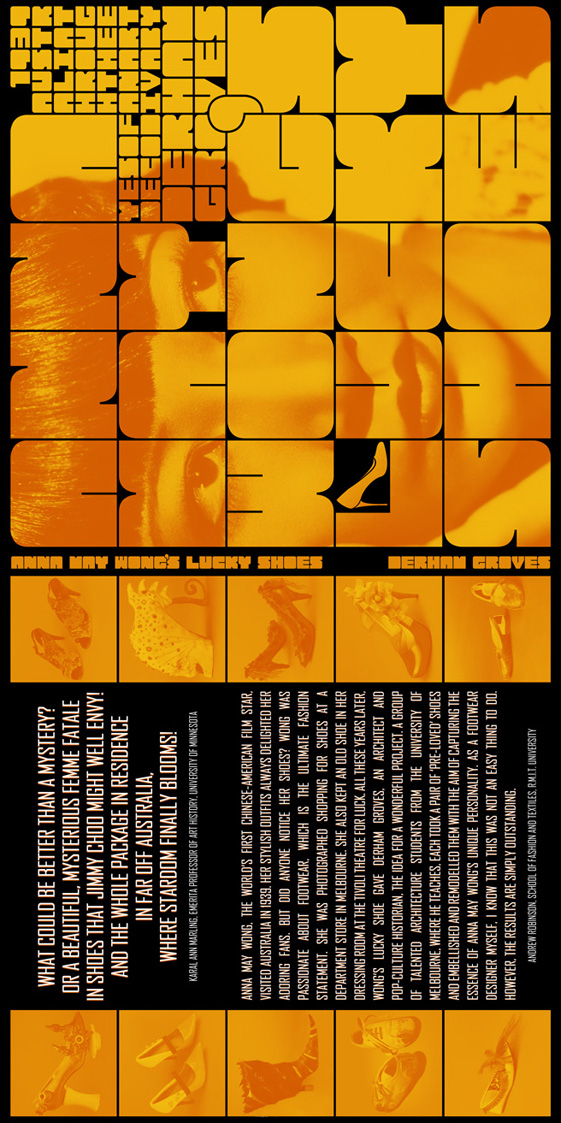
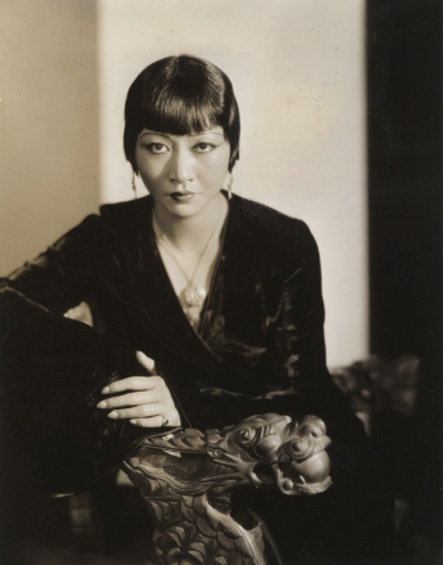
The cover of Anna May Wong's Lucky Shoes designed by Huey Groves
The book is published by the Culicidae Press and is available via Amazon.com or Culicidaepress.com
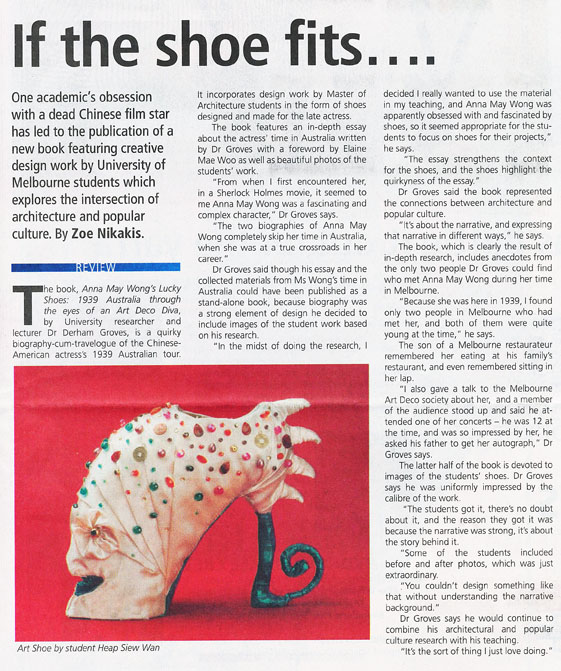 A review of the book by Zoe Nikakis in Voice in The Age, 10 October 2011
ANNA MAY WONG’S LUCKY SHOES: 1939 AUSTRALIA THROUGH THE EYES OF AN ART DECO DIVA, DERHAM GROVES (2011)
Ames, IA: Culicidae Press, pp. 103, ISBN: 978-1-257-71315-8, Paperback, AUD $39.95
Reviewed by Andrew Chrystall, Massey University, New Zealand.
Anna May Wong’s Lucky Shoes interfaces a chronological biography (cum-histography) of the Chinese-American film star, Anna May Wong’s 107-day visit to Australia in 1939 with the documentation of 52 design-as-biography projects by students at the University of Melbourne. The effect(s) is uncanny. Groves demonstrates a different approach to writing biography that is as challenging to the historian as his approach to design-as-biography is to the designer and architect and his mode of pedagogy to the teacher. While operating just outside the realm of the readily classifiable, due in large measure to the work’s hybridity and Groves’ multidisciplinary transgressions, Anna May Wong’s Lucky Shoes makes a contribution not only to our understanding of the popular and material cultural history of pre-World War II Australia. Arguably, Groves can also be read here as having created something of an anti-manifesto for dialogic, sustainable design that is of immediate relevance.
At the level of surfaces, Anna May Wong’s Lucky Shoes appears simple and unpretentious, if not parochial and banal. However, when read in light of the interplay between the two sections—biography and the documentation of design-as-biography projects —it becomes apparent that the materials have been organised to give the work a circuit-like quality. Surface simplicity gives way to a subtle complexity. Groves’ biography nurses the reader into an encounter with the design-as-biography projects and the projects draw the reader back to rediscover the biography of Wong—text begets image(s) and the image(s) beget a re-energized and re-configured text.
The first section of Anna May Wong’s Lucky Shoes documents the movements of the now little-known Wong to, around and from Australia just prior to World War II. Groves briefly establishes his personal appreciation of the enigmatic, Lady Gaga-esque Wong in the first person. But he quickly abandons a point of view and his writing takes on some of the characteristics of American novelist, Thomas Pynchon. Like Pynchon, Groves has the meticulous eye of the sleuth or the roving tactile-eye of the virtual camera for detail. Anna May Wong’s Lucky Shoes if full of detailed lists: passenger lists, guest lists, menus, and filmography. Around the movements of Wong Groves builds an inventory of Australian material and popular culture just prior to the war. His camera eye, panning and zooming incessantly, is quick to focus on concrete, individual particulars of the material culture of the day: time, date, places, street names and numbers, transactions, costs, makes, models, colours, patterns and textures. In addition to offering insight into Australian architecture, entertainment, fashion, food and politics, Groves provides a lens through which to view of racism in Australia and the racial politics of film production, homophobia, the rising cult of celebrity, (beautiful-) freak aesthetics, and the milieu of Australia’s social aristocracy. In short, Groves’ inspection captures everything that is going on—by means of a close inspection of the most common, everyday and banal—not merely what some people think should be going on. In this respect Groves’ operation is something of a prose equivalent for what his fellow Australian artist Reg Mombassa achieves in paint. And it is for this reason that the long-dead Marshall McLuhan might have said that Groves succeeds where F. R. Leavis failed. “The trouble with Leavis,” noted McLuhan (1987), was that his “passion for important work forbids him to look for the sun in the egg-tarnished spoons of the daily table […] [this] cuts him off from the relevant pabulum” (166).
In the second section, Groves, with the help of photography by Lee McRae, documents and offers a brief reflection on 52 pairs of shoes designed by his students enrolled in the Popular Architecture and Design paper. Groves set his students the task of designing a pair of (lucky?) shoes for Wong by altering an old pair of shoes purchased from an opportunity shop. Groves’ reflections here, however, do not interfere with documentation of the shoes on display. Rather his mode, tradition or sensible orientation towards art and art history appears to have some affinity with the humanism of Burkhardt, carried on in the 20th century by figures such as Wölfflin, Giedion and Moholy-Nagy. While Groves might disown the connection to these figures it is worth mentioning here as it may open up a way of reading Groves and help illuminate why he has sought to showcase the work of these young Australian designers.
The crux of the matter is that Groves does not turn away from objects or art nor does he use either as a platform to illustrate or argue a set of ideas (in the mode, say, of the social-engineer who sets design the task of changing people). Rather, for Groves, it is art that matters and he extracts himself to make a space for “objects” and the “art” to speak for themselves on their own terms. Subsequently, and this may be another reason why Groves eludes convenient categorisation, if he has anything to say beyond showcasing a motivational and fun pedagogical activity it is said at the level of demonstration. Design, as Groves presents it, can be a deeply dialogic activity with and in service of unique human individuals (with a history and somewhat messy relationship to material artefacts that can be, simultaneously, practical, emotional, irrational, calculated, and ever-changing). His mode of demonstration that eschews linear, logical and hypothesis-drive rational argument is entirely consistent with his goal(s). If we allow, then, Groves to demonstrate what design is, can and should be we find design (inclusive of architecture) can be a form of biography. It emerges from story—rich and concrete encounters between peoples, places and material culture. Design maximizes diversity and, therefore, minimizes competition (which is predicated on a large degree of sameness). Design is also transmutative and realised in and through a dialogue with pre-existing materials that are as historically conditioned as the client. Subsequently, design, neither has to result in the creation of more stuff, which is what Andrew Milner argues needs to be avoided for the realisation of a sustainable future, nor has to set itself the task of promoting a bloodless, or perhaps glamour-less, austerity ill befitting an art deco diva.
Works cited McLuhan, Marshall. (1987), ‘Letter to Walter Ong and Clement J. McNaspy, December 23, 1944.’ in M. Molinaro, C. McLuhan, & W. Toye (eds.), The Letters of Marshall McLuhan. Toronto, Oxford & New York: Oxford University Press,
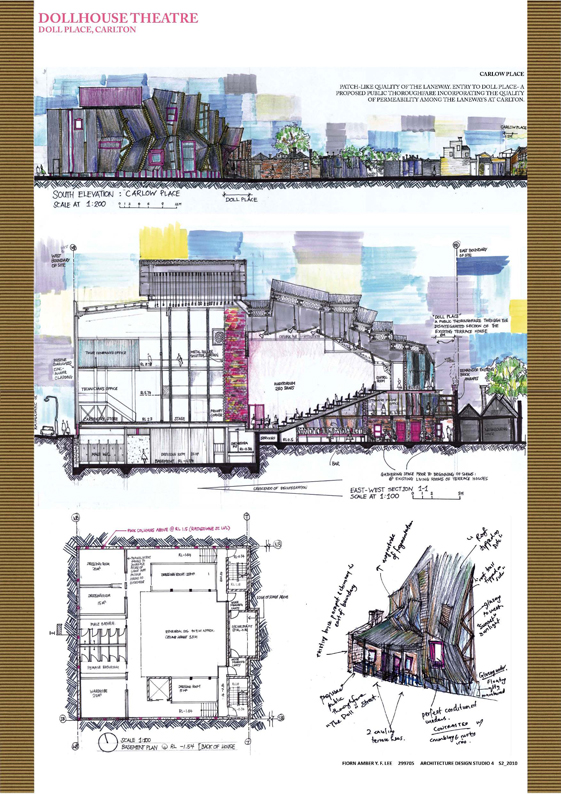
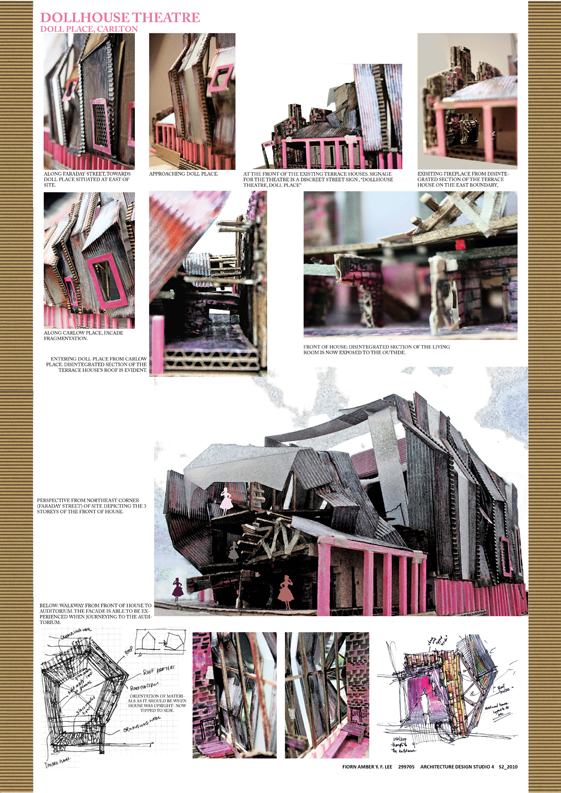 Fiorn Lee
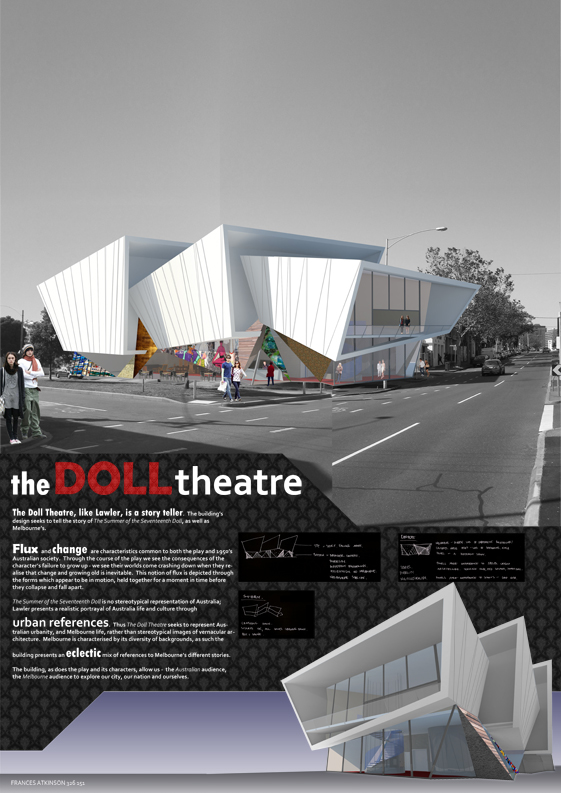 Francis Atkinson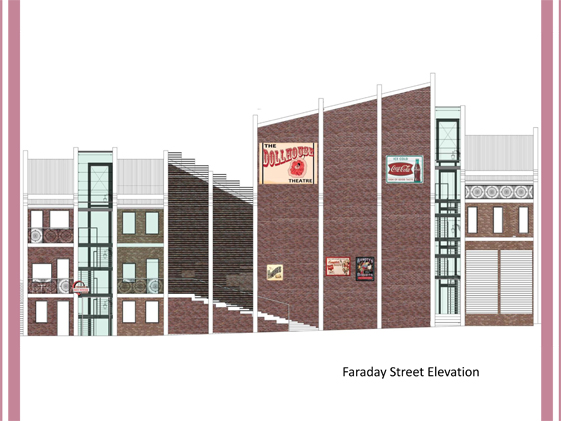
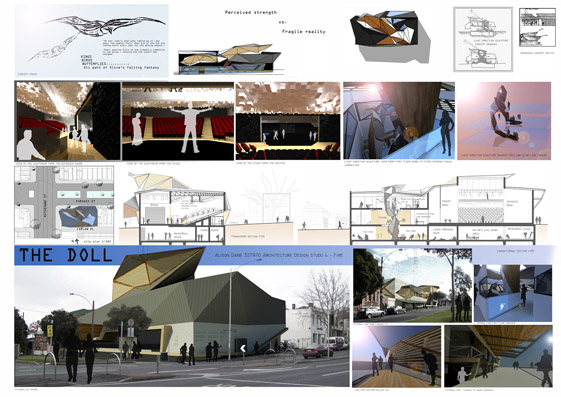
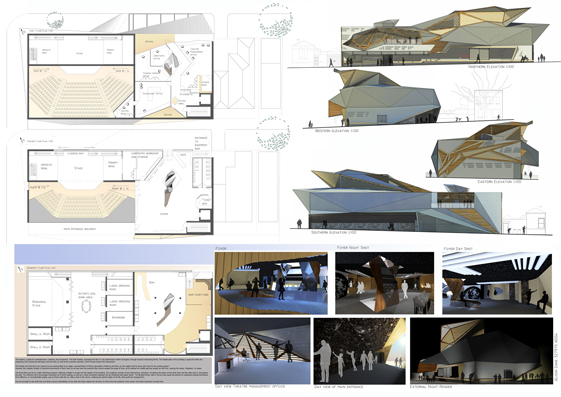 Alison Dane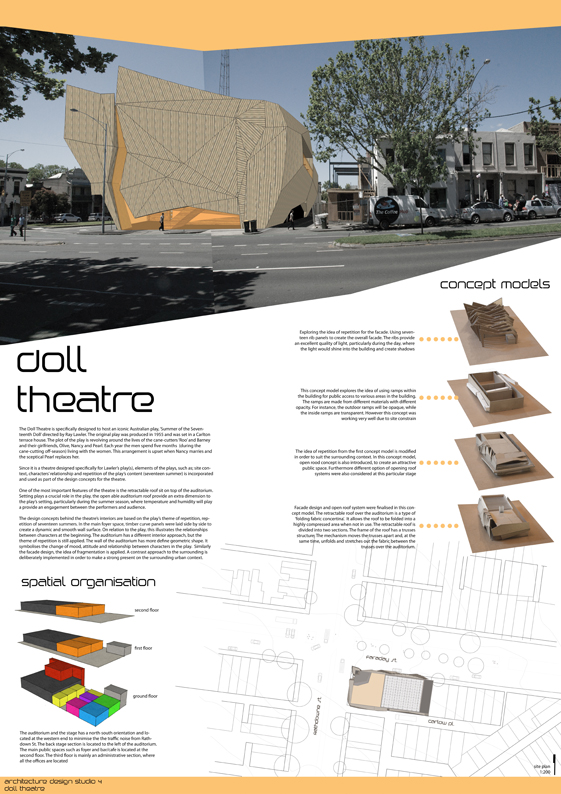
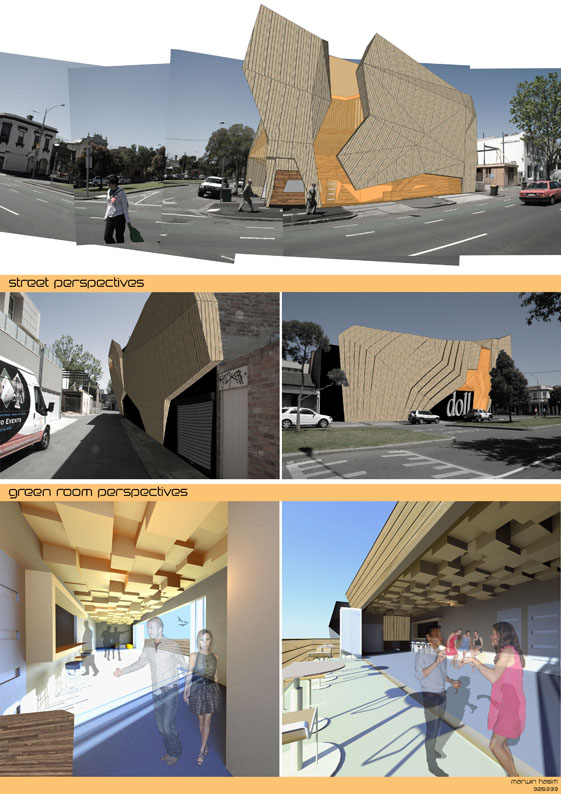 Marwin Hasim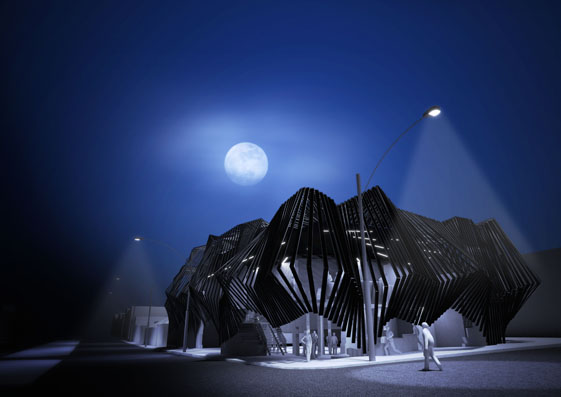
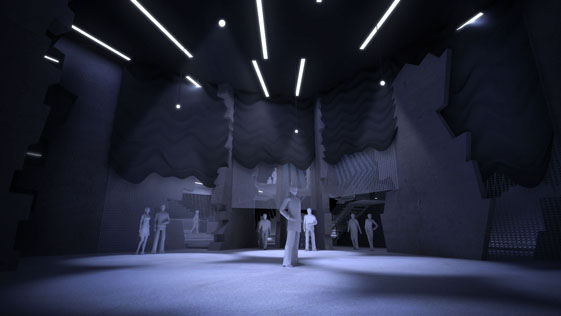 Jas Johnston
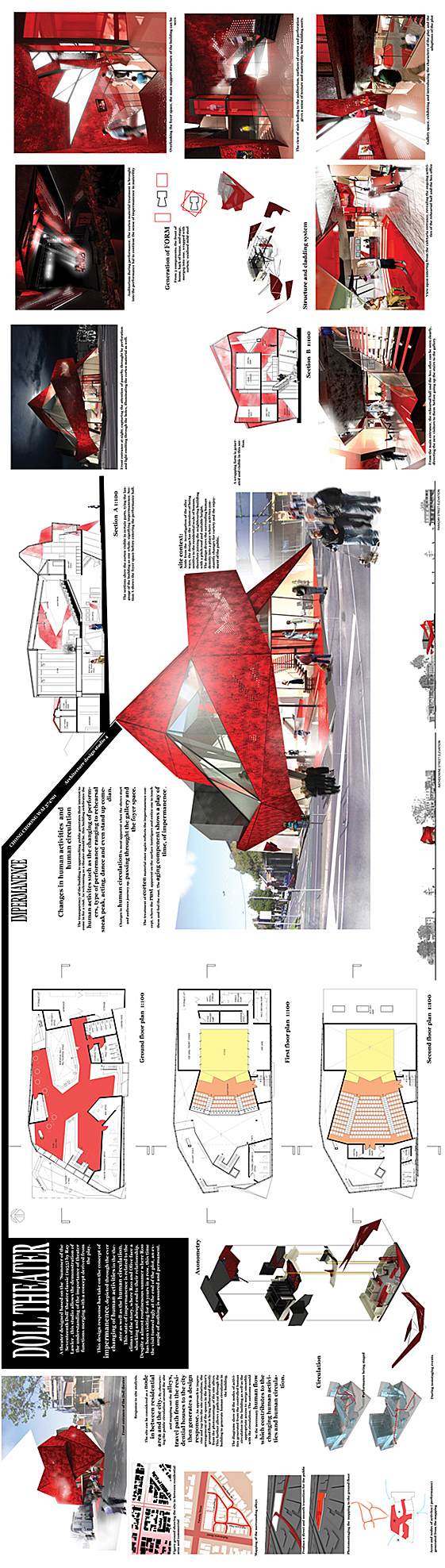 Choong Chong
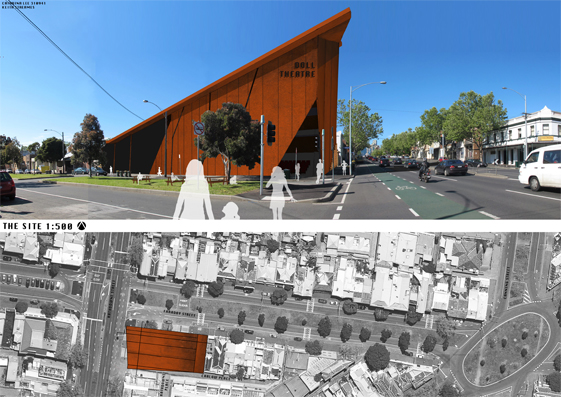 Cathrina Lee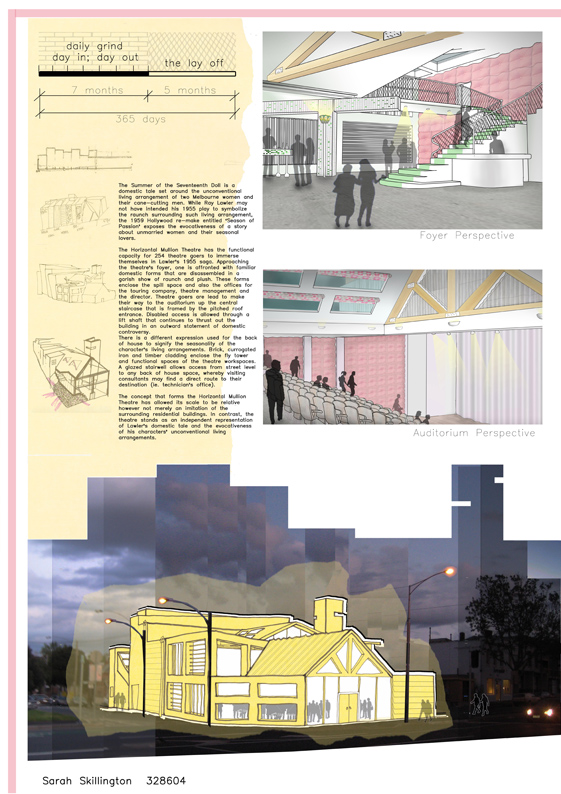
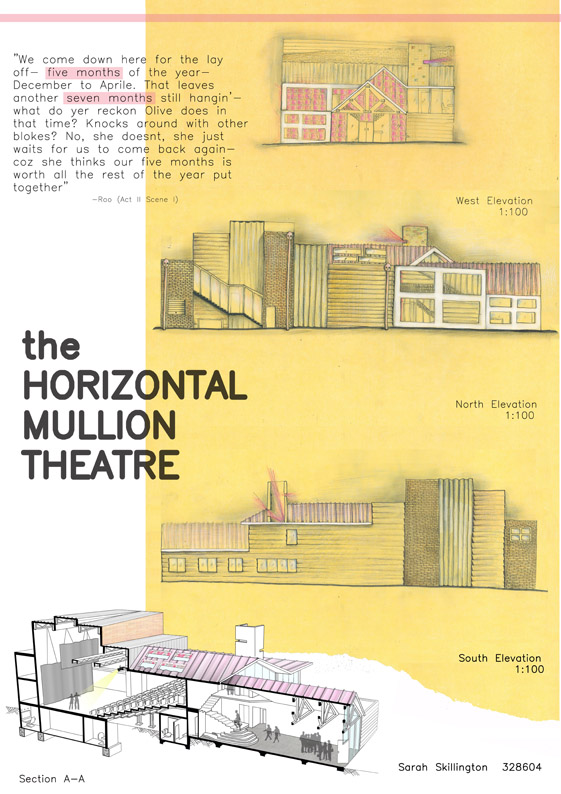 Sarah Skillington
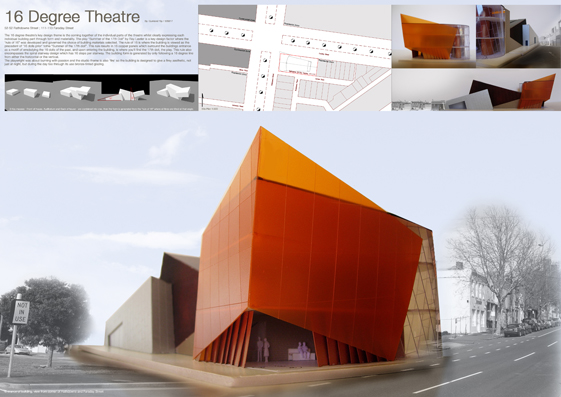 Quinland Yip
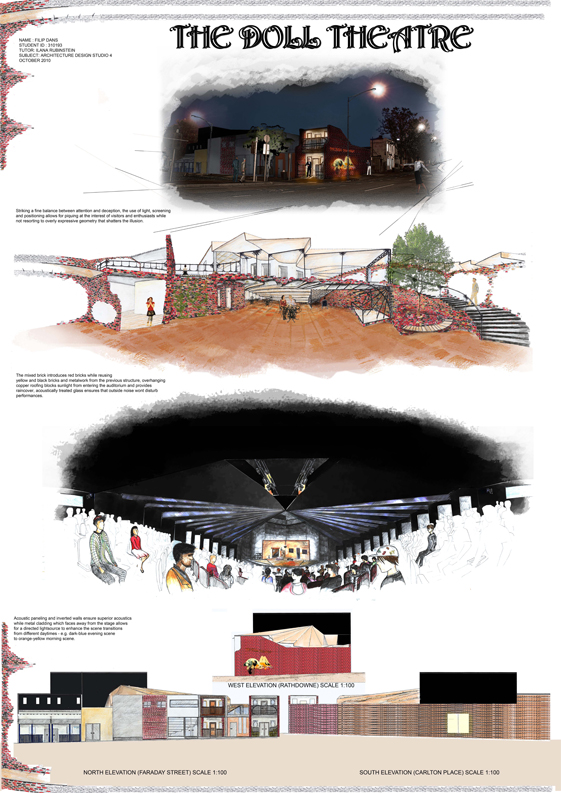 Filip Dans
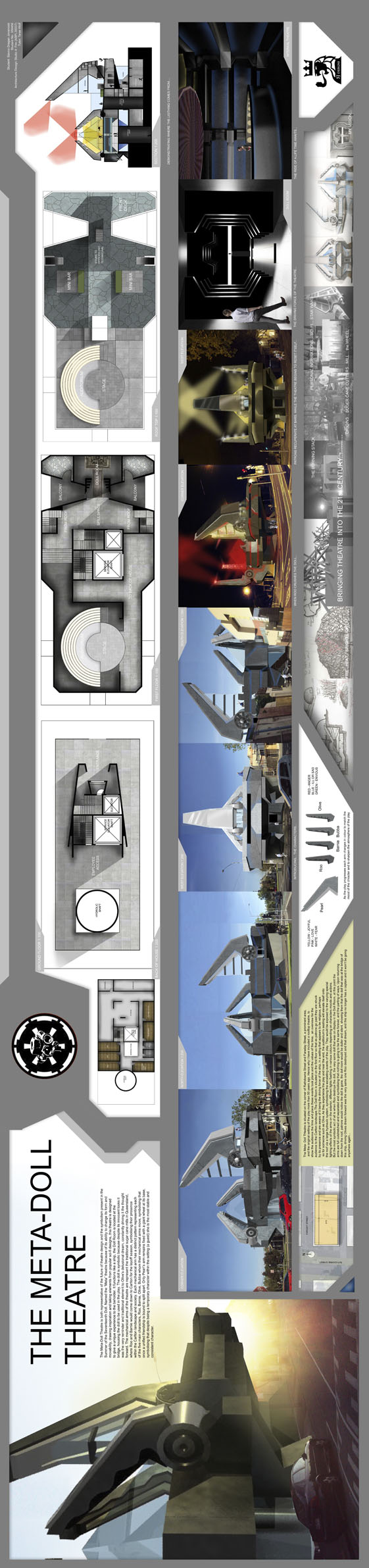 Slavco Jovanoski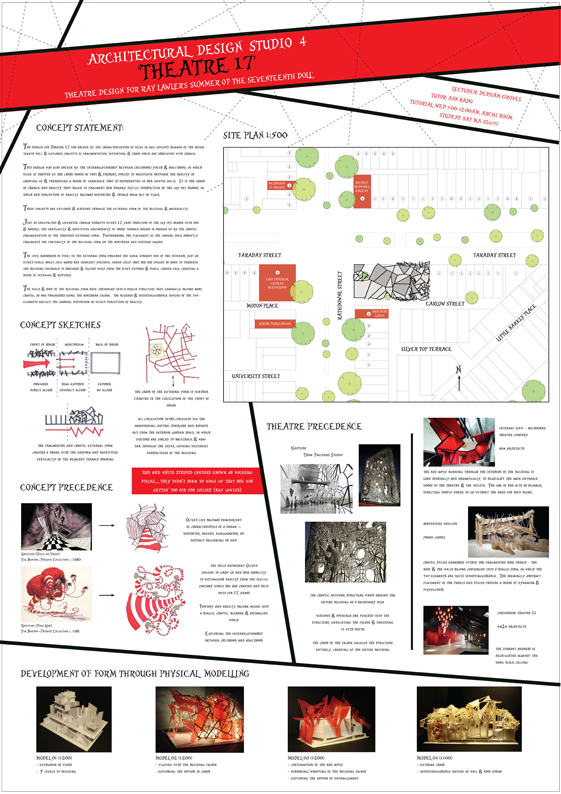
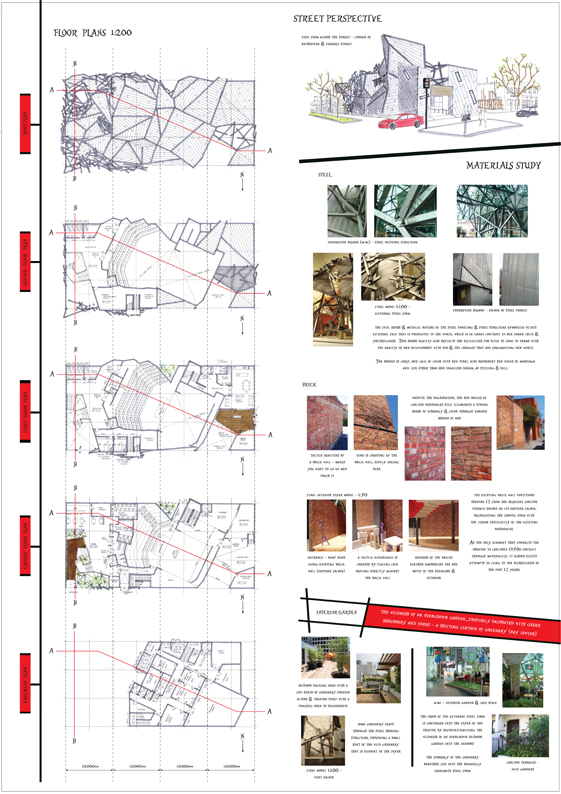 Natalie Ma
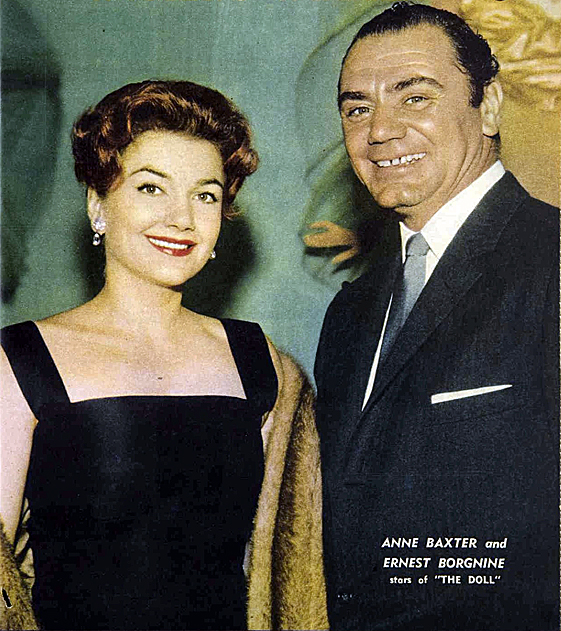 Anne Baxter, who played Olive, and Ernest Borgnine, who played 'Roo'
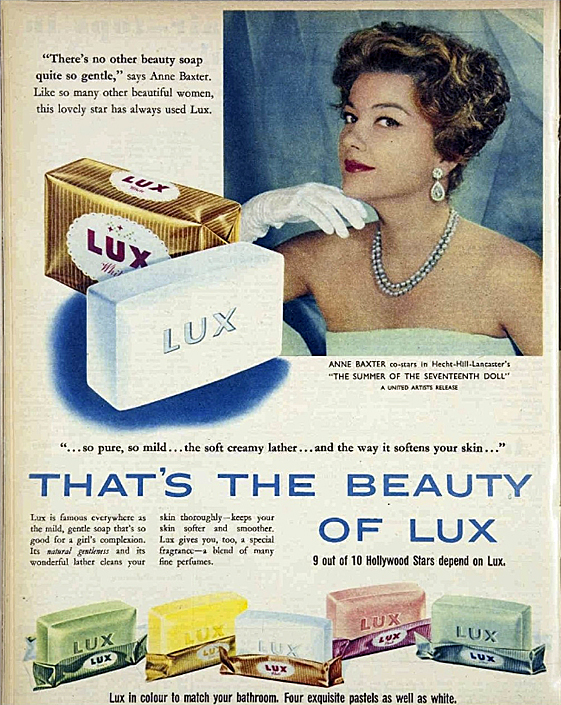 Anne Baxter, who played Olive
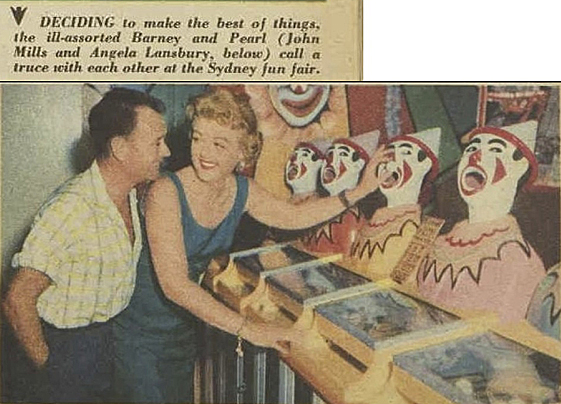 John Mills, who played Barney, and Angela Lansbury, who played Pearl
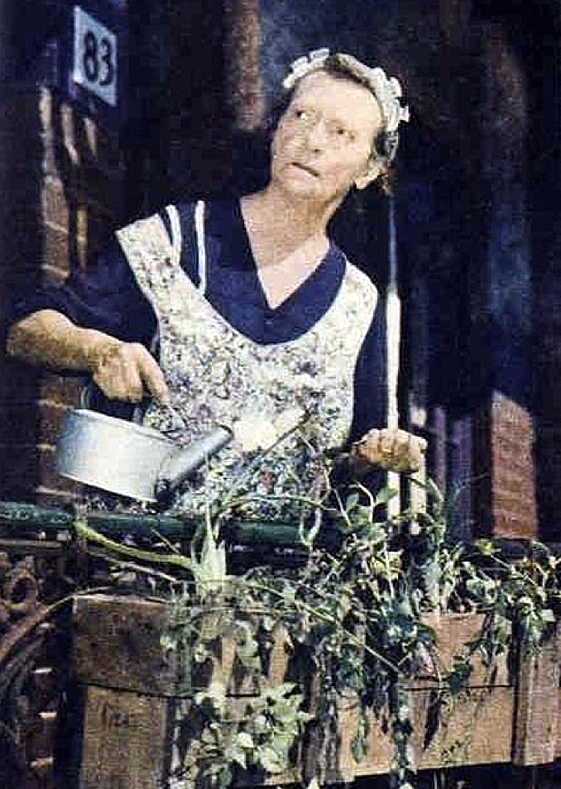 Ethel Gabriel, who played Emma
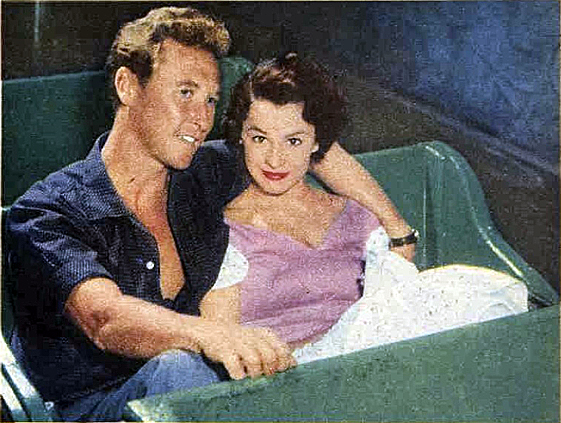 Vincent Ball, who played Johnnie, and Janette Craig, who played Bubba
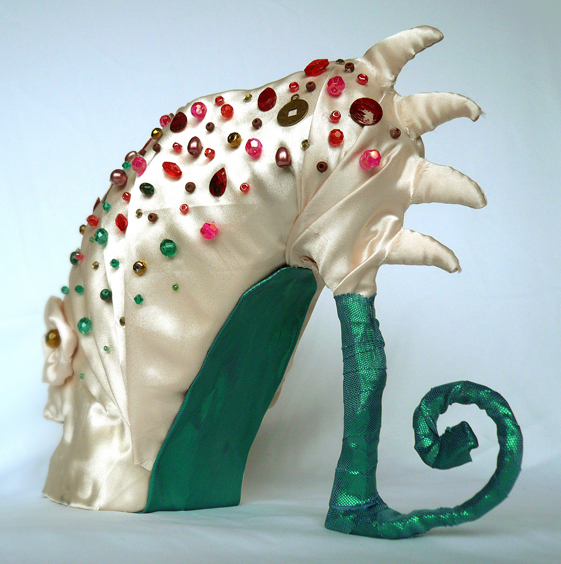 Cheryl Heap
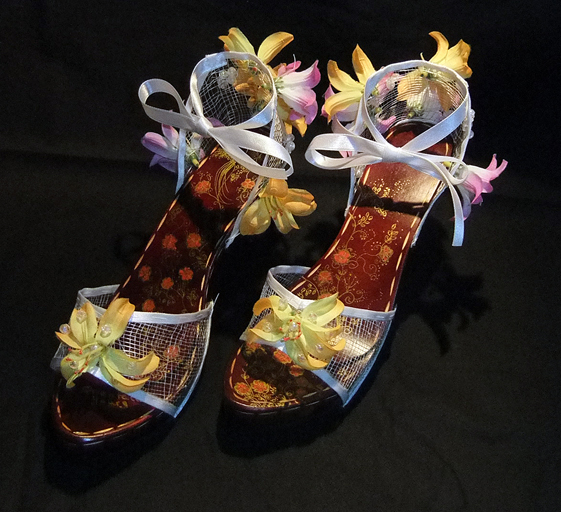 Alexandra Wall
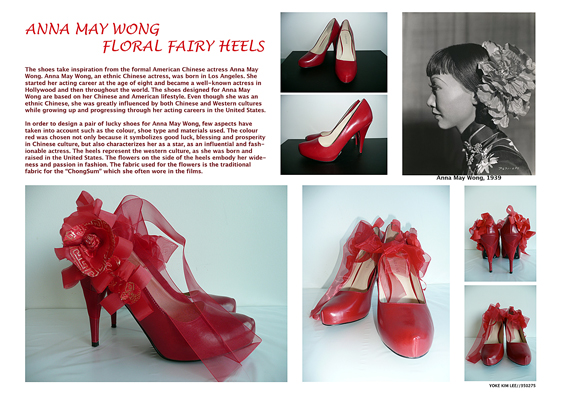 Yoke Kim Lee
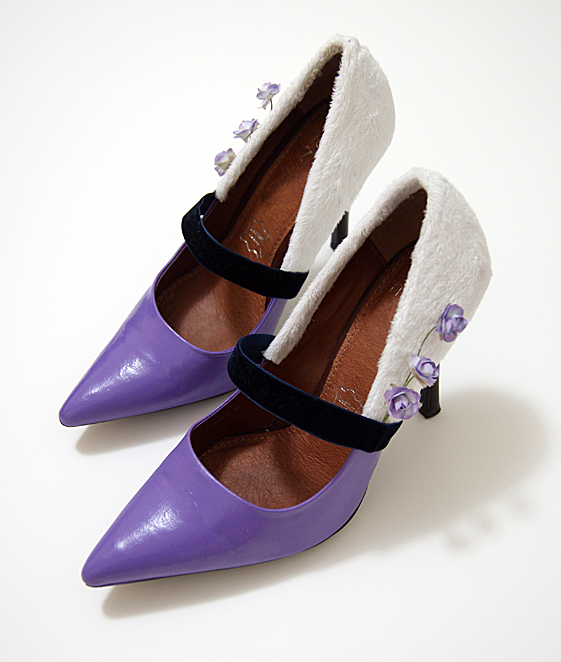 Tim Clarke
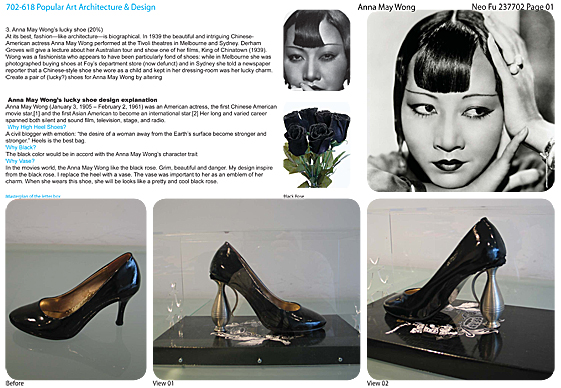 Neo Fu
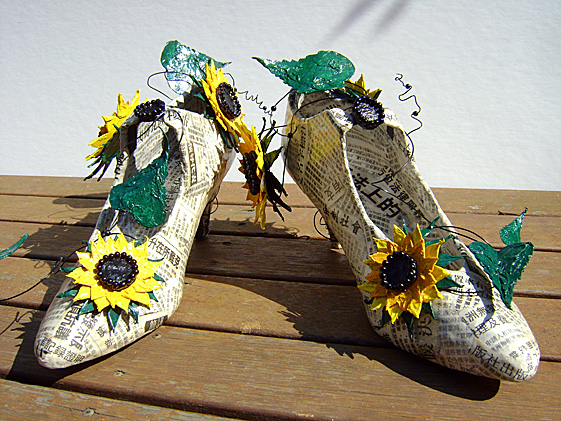 Katie Miller
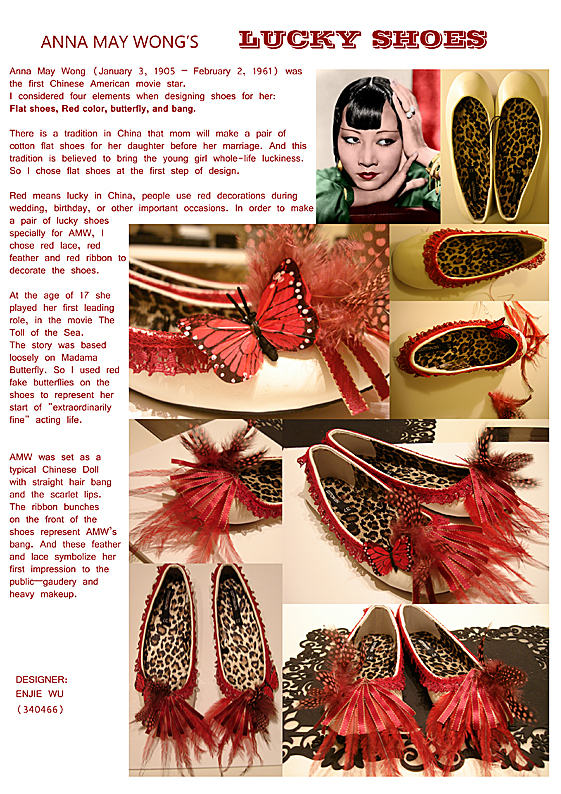 Enjie Wu
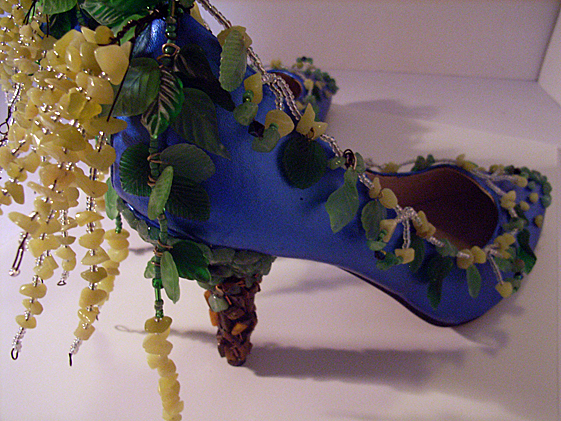 Audrey Zerafa
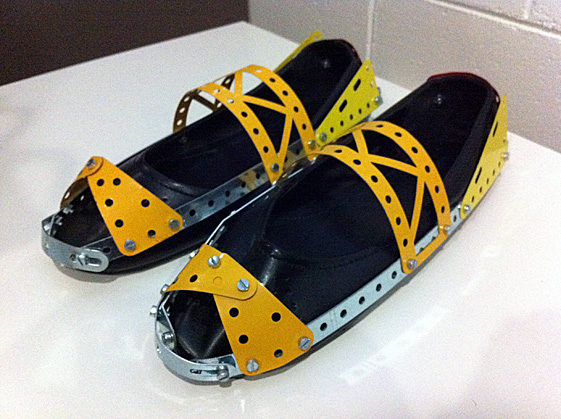 Linton Hart
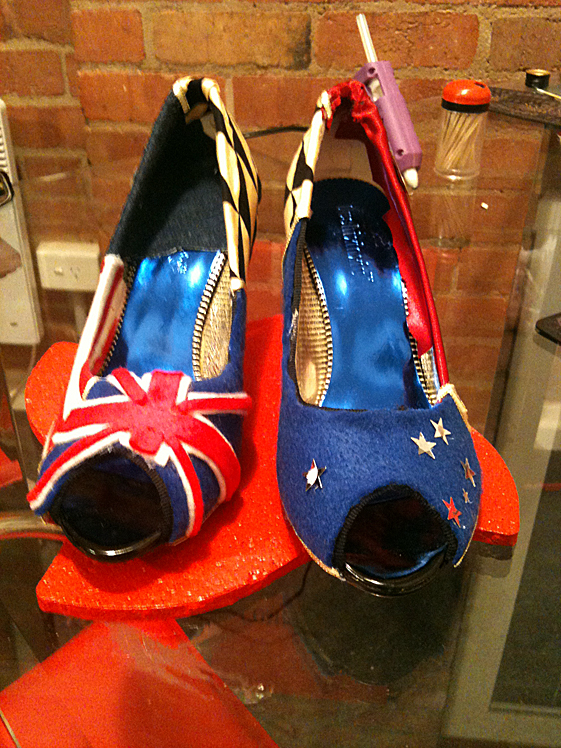 Scott O'Reilly
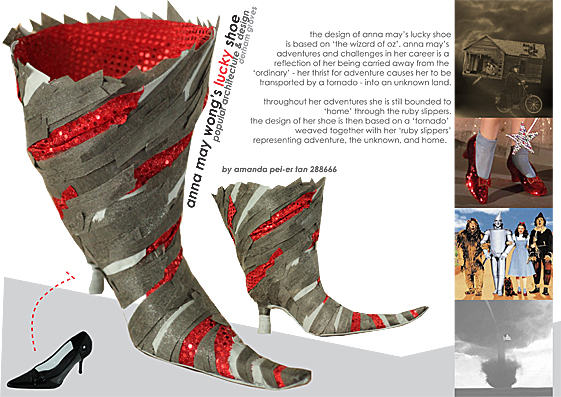 Amanda Tan
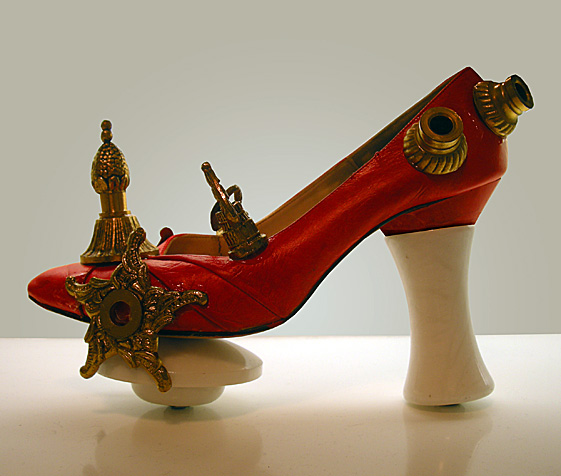 Lachlan Michael
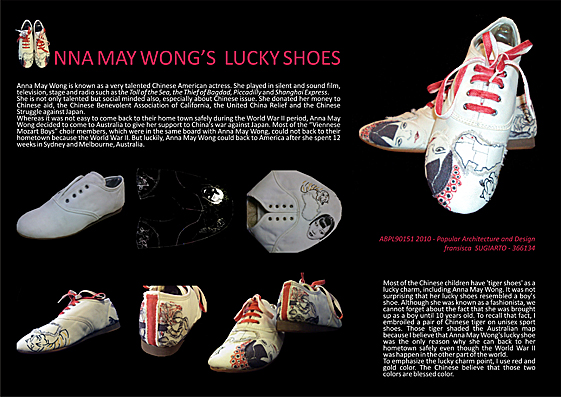 Fransisca Sugiarto
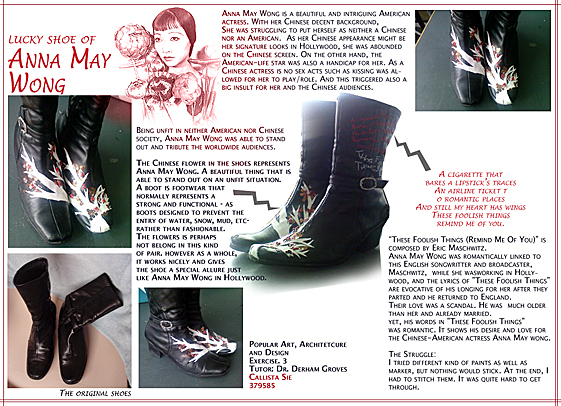 Callista Sie
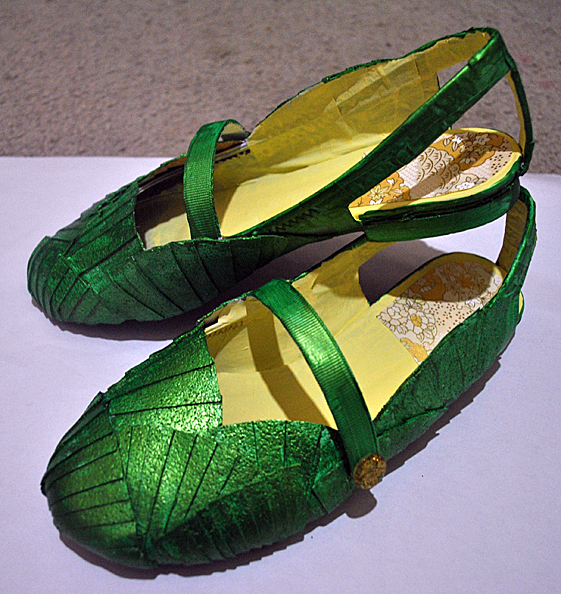 Nur Zafira Zainal Abidin
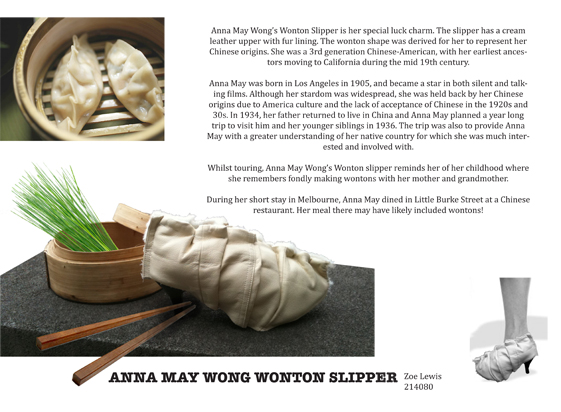 Zoe Lewis
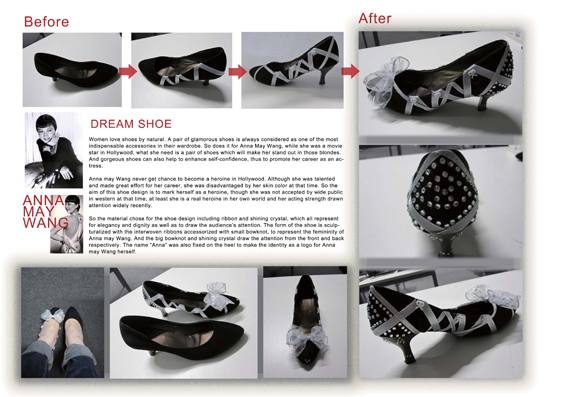 Linna Zheng
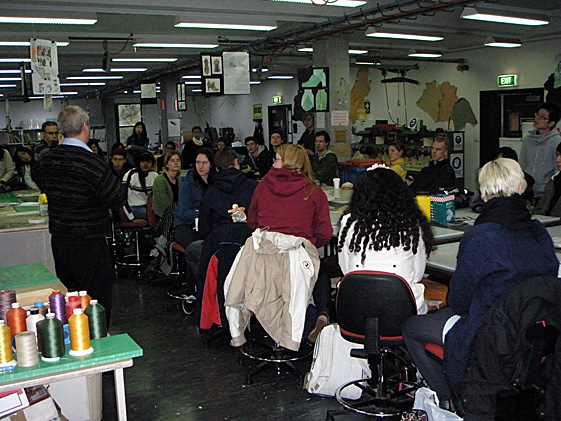 Andrew Robinson from the Footwear Department at RMIT gives the students some words of advice at the beginning of the project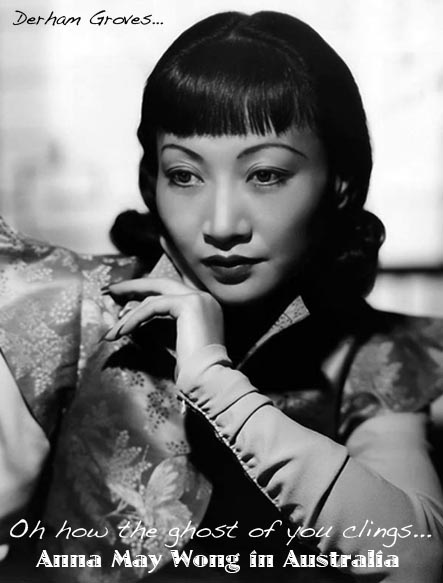
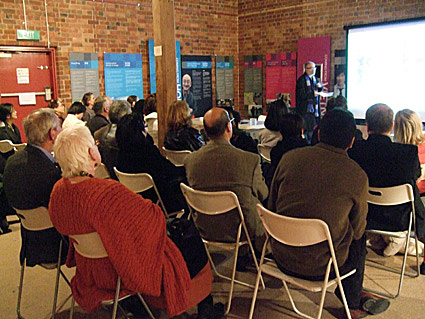
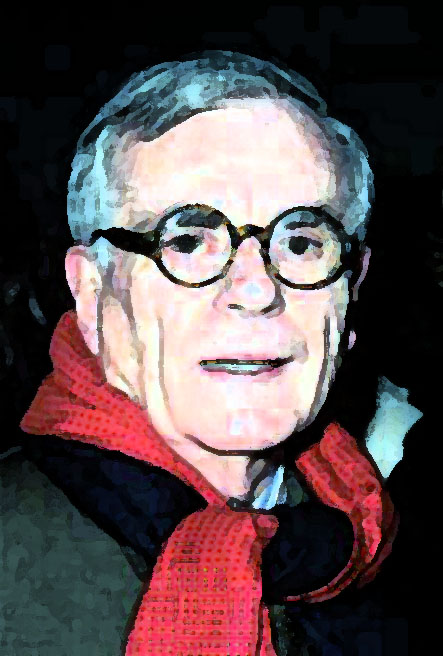
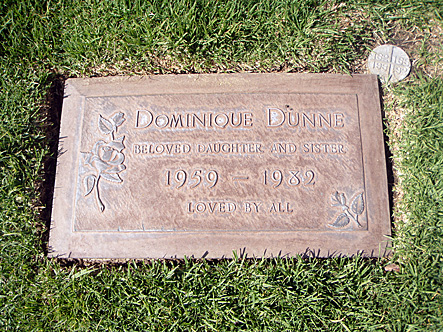
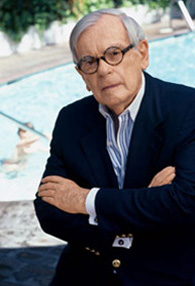
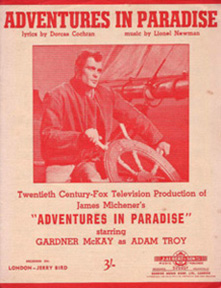
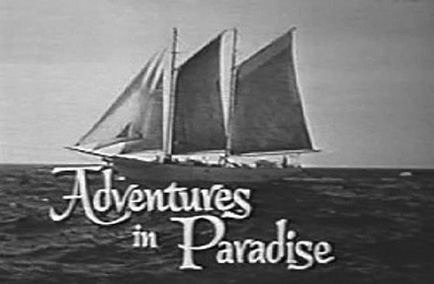 Recently we saw the compelling Australian documentary Celebrity: Dominick Dunne. What an amazing life he’s had! Besides experiencing more than his fair share of personal tragedies, knowing ’everybody’ in Hollywood and covering celebrity trials for Vanity Fair, Dunne also produced the late 1950s-early 1960s TV show Adventures in Paradise starring Gardner McKay as dashing Adam Troy, captain of the schooner ‘Tikki’. It was one of my favourite TV shows as a kid.
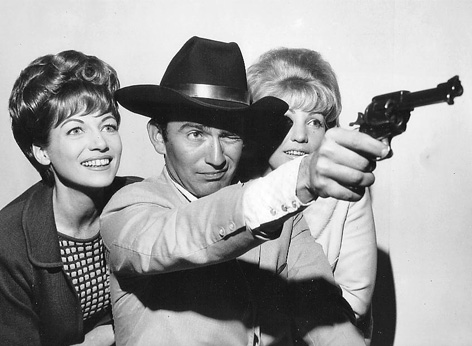 Above: James Drury, star of the popular US TV Western series The Virginian, visited Australia in the 1960s (although I’m not sure exactly what year). When he arrived at Essendon Airport in Melbourne he was greeted by TV personality Panda (left) and TV singer Val Ruff (wife of Geoff Corke, a.k.a. ‘King Corky, King of the Kids’). You couldn’t tote a handgun at an airport like that these days! Below: Mum and me watching The Virginian on Foxtel last Sunday.